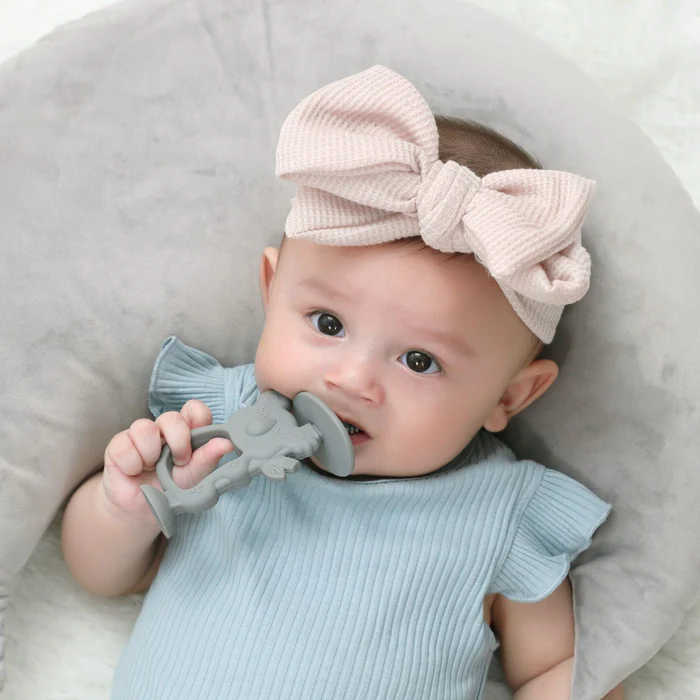
As a parent or caregiver, you want the best for your baby, especially when it comes to their toys and development. Silicone baby toys are becoming increasingly popular due to their unique properties and the benefits they offer. But what is silicone? Is it safe for humans and, most importantly, for infants? And how do silicone baby toys compare to toys made from other materials? Let’s dive into everything you need to know about silicone baby products.
Table of Contents
What Is Silicone?
Silicone is a synthetic material made from silicon, oxygen, carbon, and hydrogen. Unlike plastic, which is derived from petroleum, silicone is non-toxic, flexible, and highly durable. It’s a versatile material used in everything from cooking utensils and medical devices to baby products like teethers, toys, and pacifiers.
Is Silicone Safe for Humans?
Yes, silicone is considered safe for humans. It’s hypoallergenic, which means it doesn’t cause allergic reactions, and it’s often used in medical devices like pacemakers and surgical implants. Silicone baby products are FDA-approved for food contact and are non-toxic, making them a safe choice for your baby.
Which Silicone Grades Are Safe for Infants?
Not all silicone is created equal. For infant products, it’s essential to choose medical-grade silicone or food-grade silicone, as these are both non-toxic and free of harmful chemicals like BPA, PVC, and phthalates. FDA-approved silicone is typically used for baby products, ensuring that the toys are safe for chewing, sucking, and playing.
Pros of Silicone Baby Toys
There are numerous advantages to using silicone baby toys, making them a great choice for your little one:
Safety
Silicone baby toys are non-toxic, free from chemicals, and hypoallergenic, making them safe for babies to explore with their hands, mouth, and teeth.
Cleanliness
Silicone is naturally resistant to bacteria and mold, and it’s easy to clean. Simply wipe down silicone toys with warm water and mild soap, and they’re ready for use again.
Durability and Versatility
Silicone baby toys are incredibly durable. They don’t crack, break, or fade over time. They can withstand the rigors of teething and chewing, which is why they’re perfect for babies who are exploring their world by putting things in their mouths.
Soft and Gentle
Unlike some harder materials, silicone is soft and flexible. It’s gentle on a baby’s sensitive gums and teeth, making it ideal for teething babies. Silicone toys are soft to the touch but still firm enough to be safely chewed.
Cons of Silicone Baby Toys
Despite their many benefits, there are a few potential downsides to consider when it comes to silicone baby toys:
Cost
Silicone baby products are generally more expensive than plastic toys. However, the investment is worth it due to their durability, safety, and long-term use.
Not Eco-Friendly
Silicone is a synthetic material, and while it’s more eco-friendly than plastic, it’s still not biodegradable. That said, silicone products tend to last longer, meaning fewer toys will end up in the landfill.
Chemical Fillers
While most silicone used for baby toys is free from harmful chemicals, some lower-quality products may contain fillers or be mixed with other materials. Always opt for high-quality, FDA-approved silicone to ensure safety.
Heats Up
Silicone can heat up if left in direct sunlight or a hot environment. Always make sure to store silicone baby toys in a cool, shaded area to avoid them getting too warm for your baby to touch.
Potential for Choking
Like all baby toys, silicone baby toys should be used under supervision. While silicone is generally soft and safe, small pieces or components (such as beads or buttons) could be a choking hazard.
Comparison to Other Materials
Silicone vs. Wooden Baby Toys
When comparing silicone and wooden baby toys, both have their benefits. Wooden toys are natural, eco-friendly, and durable but can be rougher on a baby’s gums. Silicone toys, on the other hand, are much softer and more flexible, making them easier for babies to chew on, while still being safe and hygienic.
The Nitty Gritty of Wooden vs. Silicone Baby Toys
- Safety: Both silicone and wood can be safe, depending on the source and treatment of the materials. Choose non-toxic, natural wood and high-quality silicone that’s free from harmful chemicals.
- Feel and Texture: Silicone is softer and gentler on a baby’s gums, while wooden toys offer a natural texture but can be harder on sensitive teeth.
- Maintenance: Silicone toys are easier to clean and maintain, while wooden toys may need to be oiled occasionally to maintain their condition.
Paying Attention to Safety
Regardless of the material, always prioritize safety when choosing toys for your baby. Ensure that the toy is BPA-free, phthalate-free, and non-toxic. Additionally, make sure the toy is sized appropriately to avoid any choking hazards.
Tips for Choosing and Using Silicone Baby Toys
- Look for Certification: Always choose FDA-approved, medical-grade silicone for baby toys to ensure the highest safety standards.
- Avoid Small Parts: Ensure the toy does not have small parts that could be a choking hazard.
- Regularly Clean: Keep your baby’s silicone toys clean by washing them with soap and water regularly.
- Supervise Play: Always supervise your baby while playing with toys to ensure safety.
5 of Our Best Montessori-Approved Silicone Sensory Toys for Baby Development
Here are five top picks from our Montessori-approved silicone sensory toys that promote development and engagement for your baby:
- UFO Silicone Pulling Toy: Engages fine motor skills and provides hours of interactive fun.
- Koala 2-in-1 Teether: Perfect for soothing sore gums while providing sensory stimulation.
- Stacking Teething Rings: Helps with hand-eye coordination and teething relief.
- Stacking Cups: Great for cognitive development and creative play.
- Silicone Phone Press Toy: Enhances sensory exploration and auditory development.
Quick FAQ About Silicone Baby Products
What Kinds of Baby Products Are Made of Silicone?
Silicone is used in a variety of baby products, including teethers, pacifiers, baby bottles, bibs, bath toys, and more.
Do Silicone Baby Products Smell?
Silicone products are generally odorless, but some newly made silicone products may have a slight scent. This usually fades after washing.
How Can I Remove Unwanted Scents?
Simply wash the silicone item with warm, soapy water. You can also soak it in a mixture of vinegar and water to remove stubborn smells.
In a Nutshell
Silicone baby products, including toys, teethers, and pacifiers, offer several benefits for your baby’s development and safety. With their durability, safety, and soft, gentle texture, silicone baby toys are a fantastic option for parents looking for high-quality products that promote growth and development. Just be sure to buy from trusted sources, prioritize safety, and enjoy the journey of watching your baby grow with the help of these amazing toys.

 black reborn dolls
  Full Silicone